
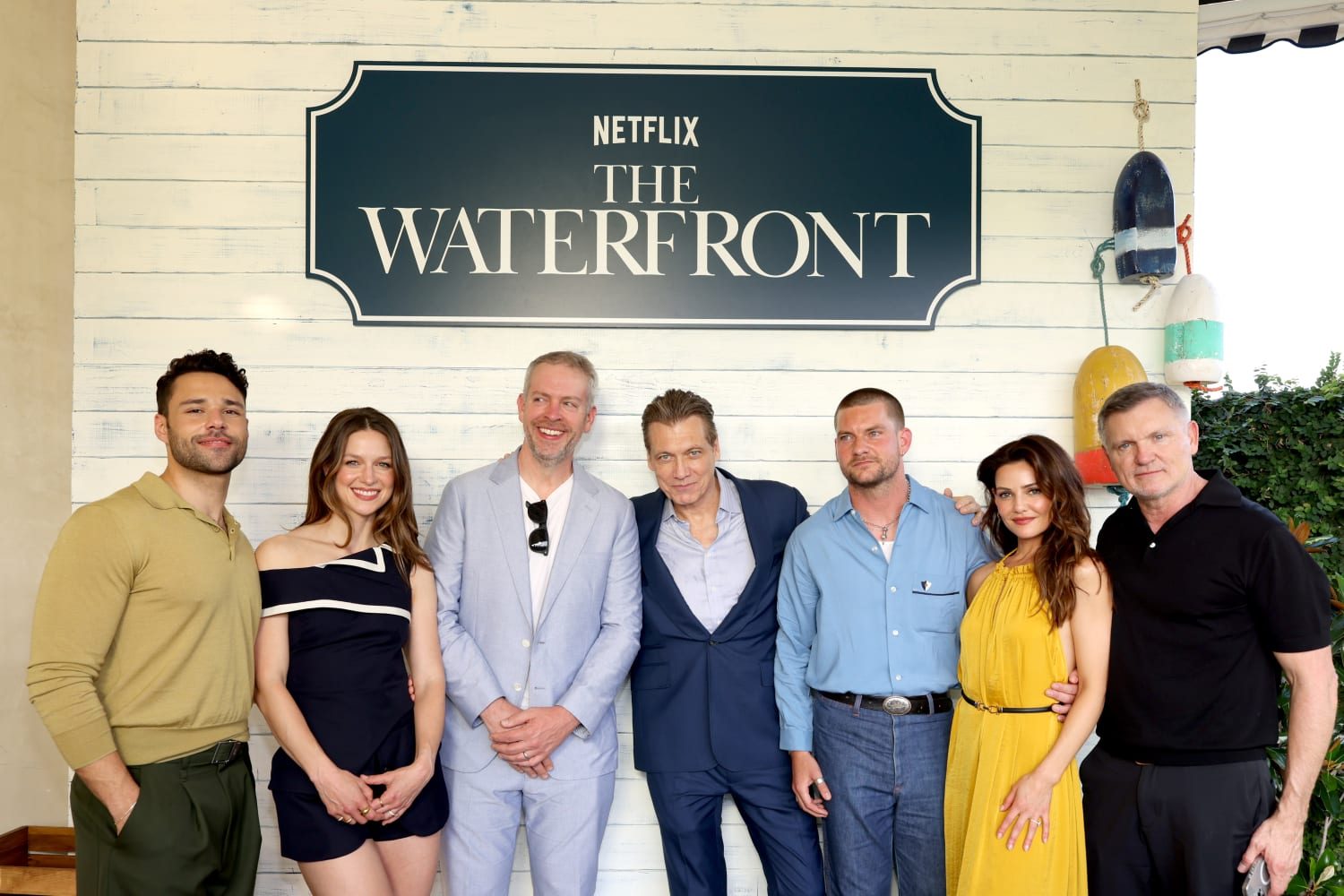
The Waterfront Store Movie: 7 Surprising Secrets Revealed
When the lights dimmed and the opening credits rolled for The Waterfront Store, fans expected another glossy retail drama. Instead, they uncovered a trove of hidden gems that turn a simple storefront story into a cinematic puzzle. From secret set pieces to unexpected casting choices, the film hides seven surprising secrets that even the most attentive viewers missed. Dive in, and you’ll see why this movie is more than just a weekend watch—it's a masterclass in subtle storytelling and clever design.
Secret #1: The Waterfront Store’s Real‑World Inspiration
The title might suggest a generic setting, but the location is based on an actual historic market in Savannah, Georgia. Production designers toured the dockside warehouses and replicated the brickwork down to the tiniest graffiti tag. Those authentic details give the shop a lived‑in feel that many viewers mistake for pure set design.
Because the crew used genuine architectural photographs, fans can spot the same weathered wooden beams in the background of several scenes. Spotting those clues connects the fictional narrative to a real place, adding depth that casual viewers often overlook.
Secret #2: Hidden Easter Eggs Paying Homage to Classic Films
Sharp eyes will notice a vintage neon sign that reads “Mona’s” flashing briefly behind the counter. This is a nod to the 1973 cult classic “The Sting,” where a similar sign appears in a pivotal bar scene. The filmmakers slipped in three more subtle references, including a framed poster of “Casablanca” and a paperback copy of “The Great Gatsby” tucked on a shelf.
Each Easter egg serves a purpose: they hint at the characters’ hidden aspirations and pay tribute to cinema history. When you catch them, the movie feels like a conversation between filmmakers across decades.
Secret #3: Unseen Production Tricks and Set Extensions
The Waterfront Store appears to stretch for blocks, yet the entire exterior was built on a single soundstage. The illusion of depth was achieved using forced perspective—smaller props placed farther back give the impression of endless aisles. In post‑production, matte paintings extended the skyline, blending the real Savannah waterfront with a fabricated cityscape.
These tricks aren’t just technical feats; they underscore the film’s theme of perception versus reality. The audience is subtly reminded that what they see on screen may not be the whole truth.
Secret #4: Casting Twists and Hidden Cameos
One of the most surprising revelations is that the actor playing the mysterious supplier is actually a veteran stage performer who never appeared on screen before. He was cast after a secret audition that lasted only five minutes. Additionally, a cameo by the film’s director hides in the background as a customer browsing the candy aisle—most viewers miss her entirely.
These casting choices add layers of intrigue. Knowing that a seasoned theatre actor brought his own improvisational flair to the role makes the supplier’s scenes feel even more authentic and unpredictable.
In the end, The Waterfront Store proves that a well‑crafted movie can hide countless details waiting to be uncovered. By exploring its real‑world roots, spotting clever Easter eggs, appreciating the visual tricks, and recognizing hidden talent, viewers gain a richer appreciation for the film. The seven secrets we’ve revealed are just the tip of the iceberg—watch again, and you might discover even more hidden treasures tucked between the aisles.


